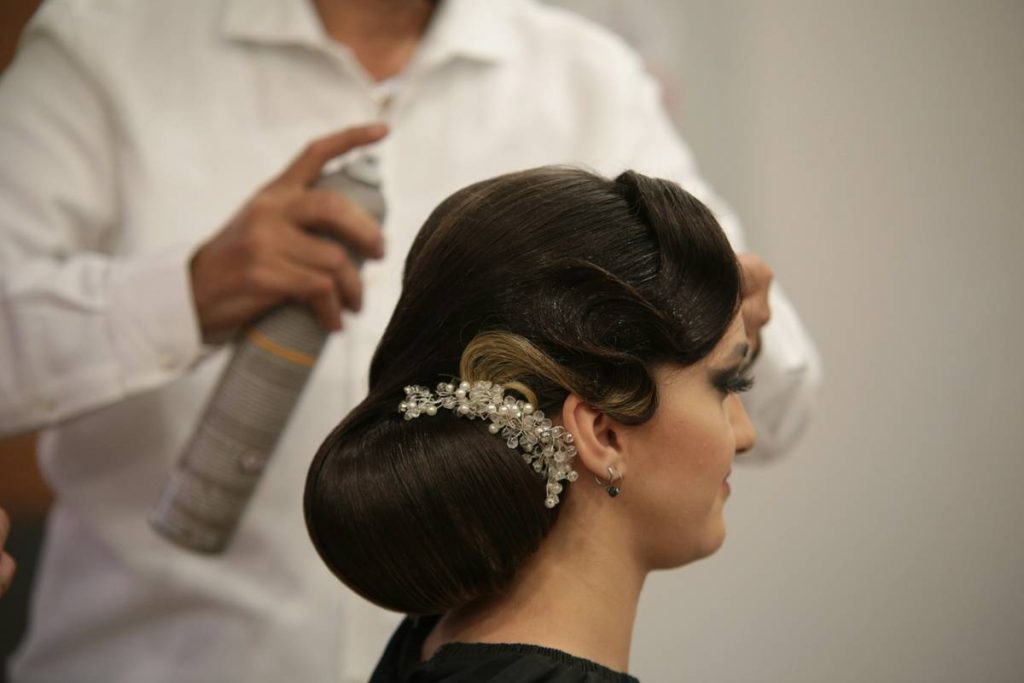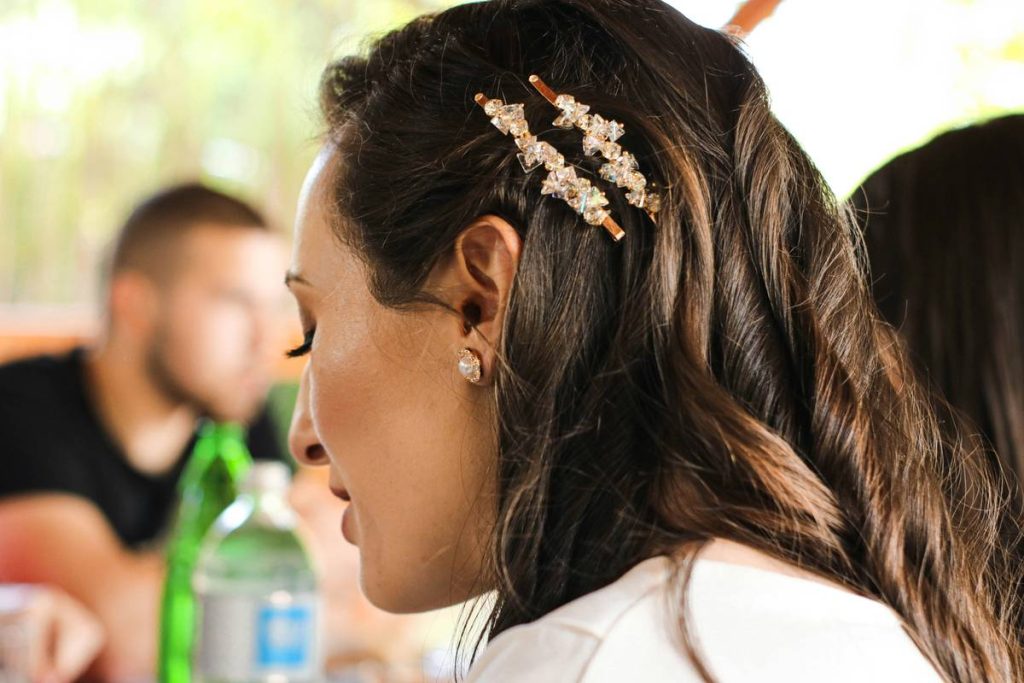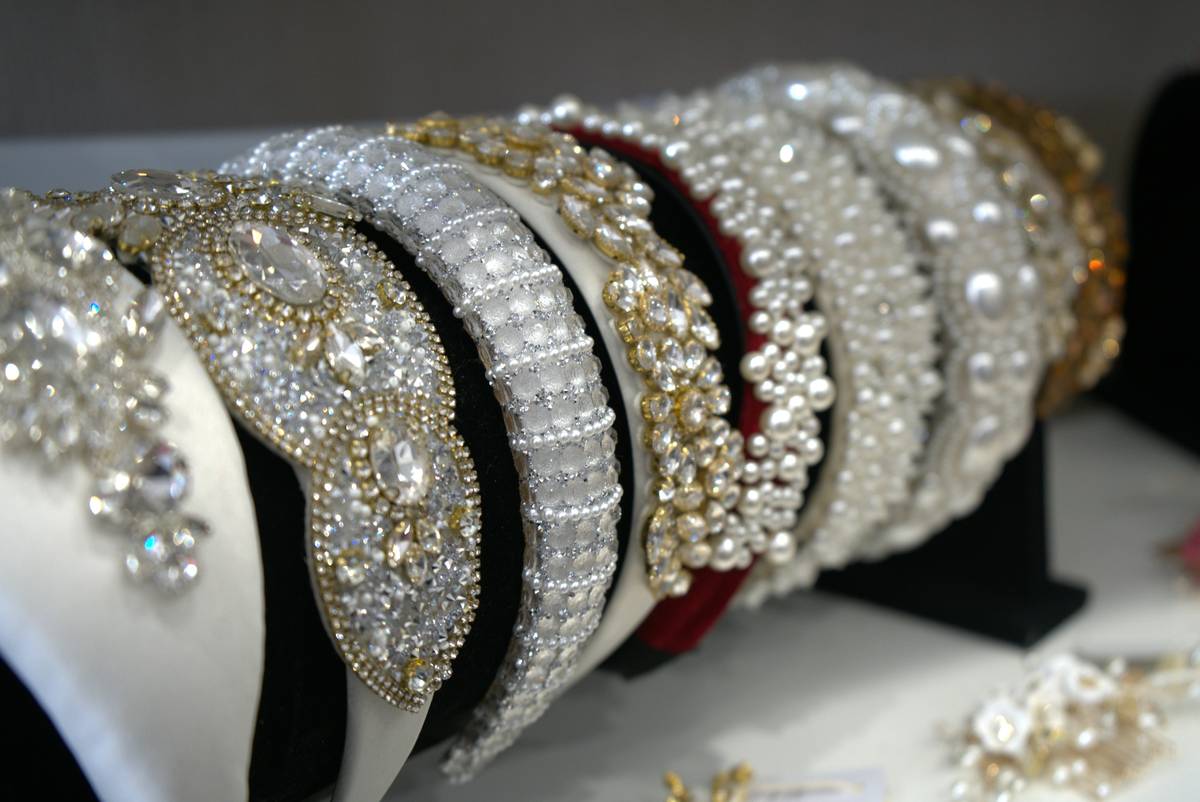
You buy a hair barrette because it looks stunning—but two hours later, it’s slipped, snapped, or worse, pulled your hair right out. The frustration is real. And it’s not your fault. The market is flooded with pieces that prioritize flash over function. The fix? Focus on Decorative Designs that marry craftsmanship with wearability—not just eye candy.
The Core Problem: Beauty Without Backbone
Most barrettes are designed by stylists—not engineers. They obsess over glitter, enamel, and oversized shapes but ignore torque, tension, and daily wear physics.
Result? A piece that looks flawless on a flat lay but collapses under real-world conditions—wind, movement, humidity, or even just gravity acting on thick hair.
And don’t get me started on cheap metal hinges that grind down after three uses. That “affordable luxury” you bought? It’s disposable fashion disguised as accessory.
How to Select & Style Hair Barrettes That Last
Step 1: Audit Your Hair Type First
Fine hair needs lightweight grips with silicone lining. Thick, coarse strands demand strong spring tension—think double-hinge mechanisms. Curly textures? Avoid narrow clips; opt for wide-bar bases that distribute pressure evenly.
Step 2: Decode the Materials Behind the Shine
A pearl finish might look luxe—but if it’s glued onto flimsy zinc alloy, it’ll chip by week two. Real longevity comes from solid brass frames, hand-filed edges, and closures tested for 5,000+ open-close cycles.
Step 3: Match Occasion to Construction
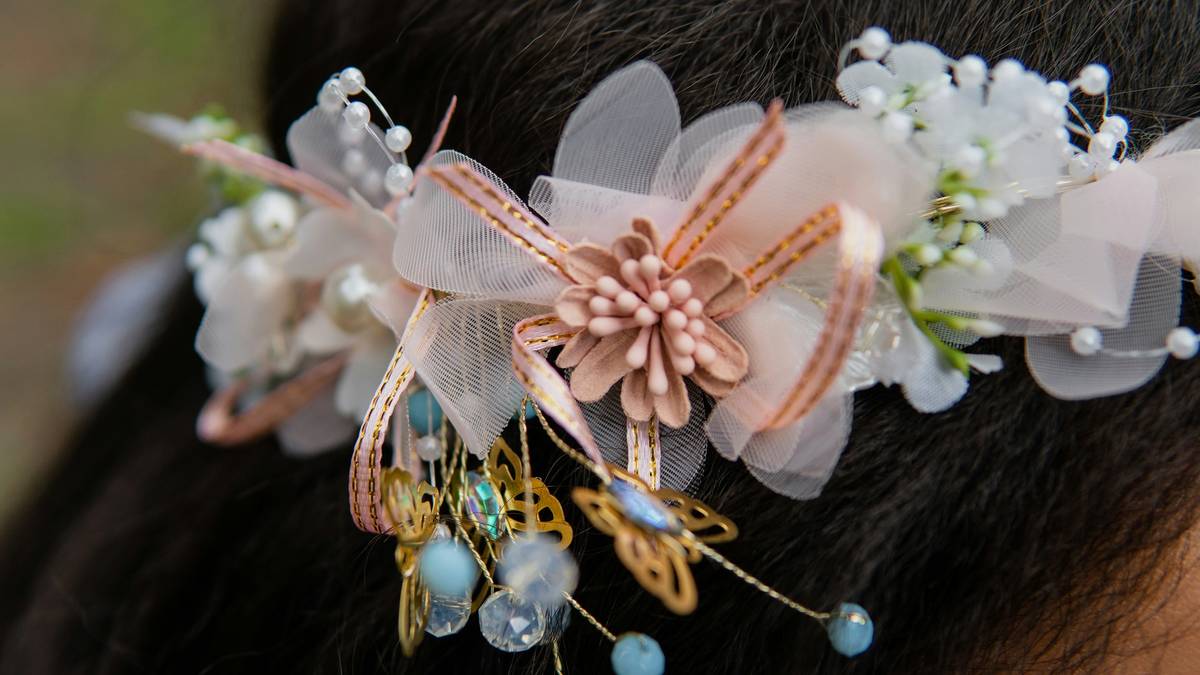
Daily wear? Go minimalist with matte finishes and hidden reinforcements. Special event? Layer ornate Decorative Designs—but only if the internal spring can handle six hours of wear without fatigue.
| Barrette Type | Best For | Tension Rating (1-5) | Typical Lifespan |
|---|---|---|---|
| Resin Statement Clip | Fine to medium hair, occasional wear | 2 | 2–4 months |
| Brass Double-Hinge | Thick, curly, or layered styles | 5 | 2+ years |
| Enamel Accent Slide | Half-up styles, fine hair | 1 | 1–3 months |
| Acetate Wide-Barrette | All hair types, daily use | 4 | 12–18 months |
The Industry Secret: The “Invisible Anchor” Technique
Top stylists never rely on the barrette alone. Here’s the unspoken trick: before clipping, twist a small horizontal section of hair at the placement point—then slide the barrette through that twisted loop, not just over loose strands.
This creates an anchor that resists slippage without extra pins. It works because torque is redirected inward, not downward. I’ve seen clients wear vintage 1940s barrettes this way all day at weddings—zero adjustments.
But brands won’t tell you this. Why? Because if your clip stays put, you buy less.
Frequently Asked Questions
Do decorative barrettes damage hair?
Only if poorly engineered. Look for smooth interior edges and tension calibrated to your hair density—never force a clip shut.
Can I wear barrettes with short hair?
Absolutely. Use mini barrettes (under 2 inches) to secure side sections or accent bangs. Position them just behind the ear for subtle lift.
How do I clean ornate hair barrettes?
Wipe with a microfiber cloth dampened with distilled water. Never soak—moisture seeps into joints and degrades springs over time.