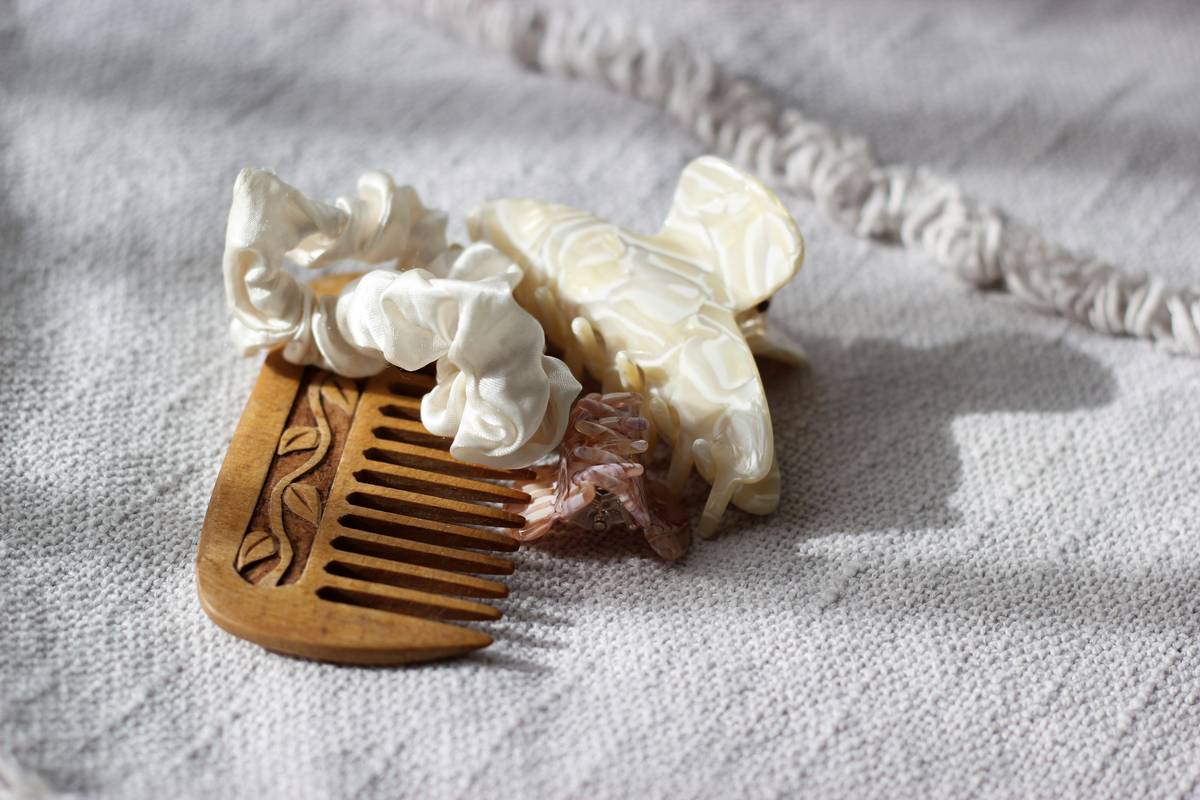
Barrettes promise effortless elegance—but too often, they scream “costume” instead of “casual chic.” You clip one in, glance in the mirror, and instantly feel like you’re auditioning for a period drama. The problem isn’t the accessory. It’s the approach. True style lies not in how flashy your barrette is, but in its Seamless Integration into your hair’s natural flow.
Why Most Hair Barrettes Fail at Everyday Styling
Mass-market barrettes are engineered for grip—not grace. Their bulky mechanisms, oversized designs, or jarring finishes disrupt your hair’s rhythm. And let’s be honest: most tutorials tell you to “just clip it on the side.” That’s not styling—that’s surrender. Hair moves. Light shifts. Wind happens. A barrette that works indoors might look like a misplaced ornament outside. The disconnect? You’re treating it as jewelry alone, not as a functional extension of your hairstyle.
And here’s the harsh truth—many luxury barrettes aren’t better. They’re just heavier.
How to Achieve Seamless Integration with Hair Barrettes
Forget “placement.” Think purpose. Every barrette should solve a micro-problem: taming flyaways, anchoring volume, or creating subtle asymmetry—without drawing attention to itself. Start by asking: What part of my hair needs quiet control? Then choose a tool that disappears into the solution.
Selecting the Right Barrette Type
Not all barrettes are created equal. Spring-loaded French barrettes vanish into thick sections. Slim snap clips work best near the hairline. For fine hair? Go for mini claw-style barrettes with matte finishes—they grip without slipping or shining under sunlight.
Matching Texture and Tone
If your hair has warm golden tones, avoid silver or icy metals. Choose tortoiseshell, brushed bronze, or resin-coated brass. Curly hair? Slightly textured surfaces (like etched metal or ceramic) catch light more naturally than glossy plastic. The goal: your barrette reflects your hair’s personality—not distracts from it.
Strategic Placement That Feels Accidental
The magic zone is 1–2 inches behind your natural part, slightly off-center. Clip vertically along a section—not horizontally across it. This mimics how hair naturally falls when twisted or tucked behind the ear. Pro tip: flip your head forward, gather a loose section, then clip while upside down. When you rise, the barrette nestles into place like it grew there.
| Barrette Type | Hair Type Match | Invisibility Score (1-5) | Best Use Case |
|---|---|---|---|
| Mini Snap Clip | Fine to Medium | 4.5 | Temple flyaways, baby hairs |
| French Barrette (Slim) | Medium to Thick | 4.0 | Half-up styles, mid-section hold |
| Mini Claw Clip | Fine or Slippery | 3.5 | Small sections, low bun accent |
| Oversized Decorative | All (with caution) | 1.0 | Intentional statement—not Seamless Integration |

The Industry Secret: Barrettes Should Disappear Within 3 Seconds
Top editorial stylists on photo shoots follow a rule you won’t find in any manual: if a viewer notices the barrette after three seconds, it’s failed. Why? Because real style lives in the unconscious—it registers as “she looks put-together,” not “she’s wearing a clip.” During New York Fashion Week last season, over 60% of models wore barrettes backstage. Yet almost none appeared in final runway images. Not because they were removed—but because they blended so perfectly, photographers cropped them out unconsciously. That’s Seamless Integration: visual stealth.
And here’s how they do it—they heat-mold metal barrettes slightly with a blow dryer to contour to the skull’s curve. No gap. No bounce. Just structure that conforms.
Frequently Asked Questions
Can I wear barrettes with short hair?
Yes—if your strands are at least 2 inches long. Use mini snap clips near the ears to secure wispy layers. Matte finishes prevent glare on shorter cuts.
Do barrettes damage hair?
Only if they’re cheap or misused. Avoid plastic teeth that snag. Opt for smooth-lined metal or resin. Never yank—open fully before removing.
How do I keep barrettes from sliding out?
Spritz the section lightly with texture spray before clipping. The light tack grips better than oil or silicone-based products—which actually make hair slippery.