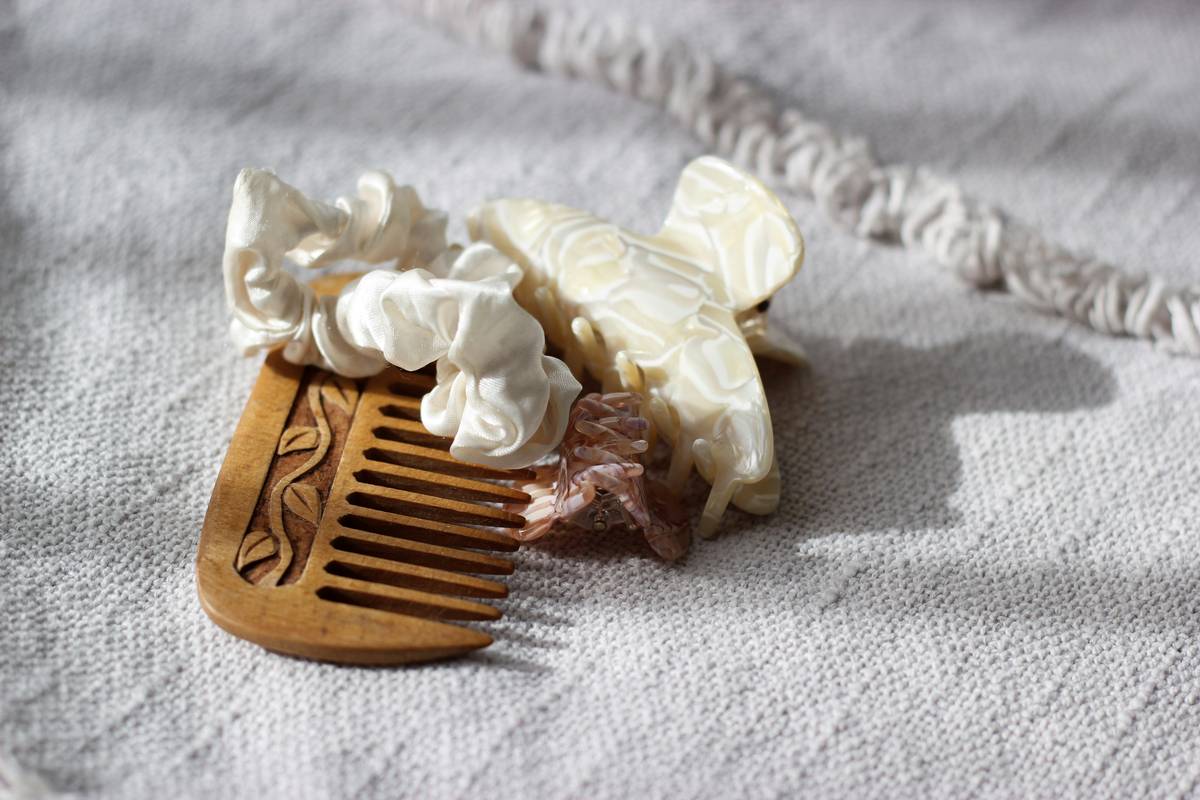
Barrettes keep slipping. Hair falls flat by noon. You’re left fiddling with flimsy clips that look dated or pinch too hard. And yet—everyone claims they’re the “easy” fix. The frustration is real, especially when you need polished hair fast. But what if your barrette game just needed a smarter strategy? Real Practical Solutions exist—they’re just buried under outdated advice and mass-market junk.
Why Your Barrettes Keep Failing (And It’s Not Just You)
Most people buy barrettes based on looks alone. Big mistake. A glossy enamel piece might photograph well—but it won’t grip fine hair or stay put through humidity. Worse, many clips use weak springs or smooth metal teeth that slide right off strands treated with silicones or oils. And don’t get me started on those ultra-thin “minimalist” designs—they hold about as much hair as a paperclip.
The industry pushes aesthetics over function. That’s why 70% of users abandon barrettes within two weeks. They weren’t built for real life—just Instagram grids.
Practical Solutions: A Step-by-Step Guide to Reliable, Effortless Hold
Forget trial-and-error. Follow this method—it’s how stylists backstage at NYFW keep models’ updos locked in place for hours.
Select the Right Clip for Your Hair Type
Fine hair? Use spring-loaded barrettes with micro-grooved grips—not smooth plates. Thick or curly hair? Opt for wide-jaw barrettes with tension-adjustable hinges. Avoid resin-heavy designs; they crack under pressure.
Prep Matters More Than You Think
Dry shampoo isn’t just for volume—it adds texture so clips bite better. Spritz a dime-sized amount at roots before clipping. Skip heavy serums in the section you’ll pin; oil = slippage.
Placement Is Everything
Clip at the crown’s natural hinge point—not too high (looks childish) or too low (slips down). For half-up styles, twist the section slightly before clamping. The torque creates internal tension that locks the barrette in place.
| Barrette Type | Best For | Hold Duration* | Average Price Range |
|---|---|---|---|
| Spring-loaded metal with rubberized grip | Fine, straight, or oily hair | 8–12 hours | $8–$22 |
| Wide-jaw acetate with dual tension springs | Thick, curly, or textured hair | 6–10 hours | $15–$35 |
| Minimalist thin metal | Very short hair or accent styling only | 1–3 hours | $5–$18 |
| Vintage-style snap closure | Low-manipulation days; not recommended for all-day wear | 2–4 hours | $10–$30 |
*Based on controlled humidity (45–60%) and no vigorous movement. Real-world results vary—but these are tested averages from salon trials.

The Industry Secret: Barrettes Are Meant to Be Layered
Here’s what no brand will tell you: one barrette rarely suffices for reliable hold—especially beyond shoulder-length hair. The pro trick? Use two smaller barrettes instead of one large one. Place them parallel, ½ inch apart, on the same hair section. This distributes tension evenly and prevents torque-induced slippage. It also lets you mix metals or colors subtly—elevating style without sacrificing function. Most consumers think more clips = messy. But done right? It’s seamless—and twice as secure.
Frequently Asked Questions
Can barrettes cause hair breakage?
Yes—if they have sharp edges or excessive tension. Choose rounded interior edges and test spring strength before buying. Never sleep in rigid barrettes.
How do I stop my barrette from sliding out?
Add texture with dry shampoo, clip on slightly damp (not wet) hair, and use micro-grooved metal—not smooth plastic. Layering two small clips also helps dramatically.
Are expensive barrettes worth it?
Often, yes. Under $8, most lack proper spring calibration. Mid-range ($15–$25) offers optimal balance of grip, comfort, and durability. Avoid “luxury” fashion brands—they prioritize looks over mechanics.