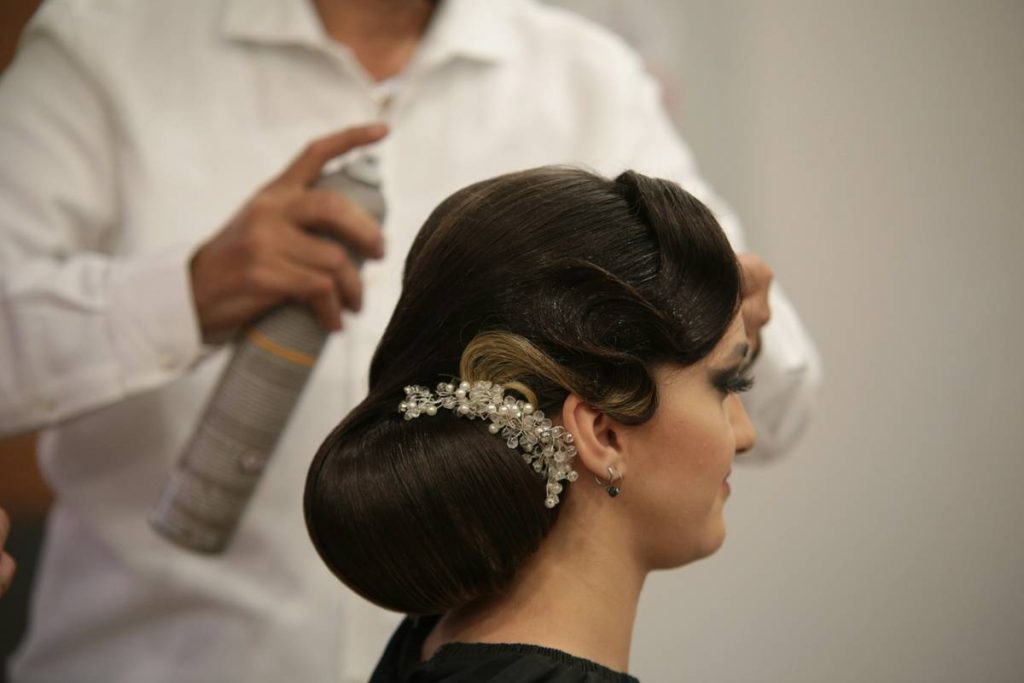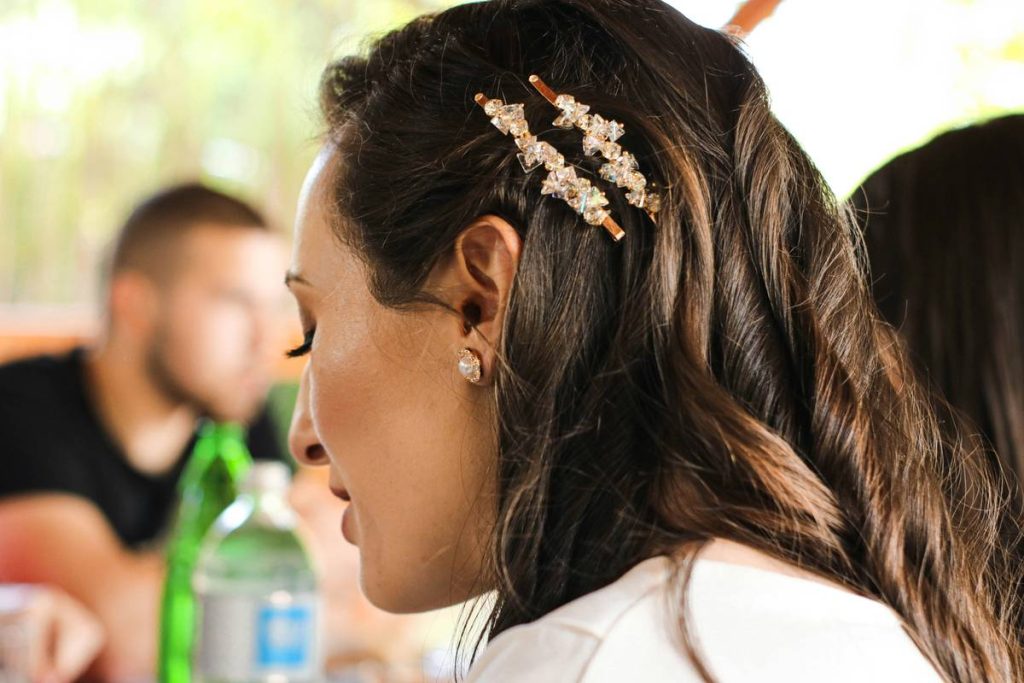
Ever clipped in a gorgeous barrette only to feel your scalp yank backward by lunchtime? You’re not alone. Heavy, clunky hair accessories sabotage even the most polished updos—and worse, they can cause tension headaches or hair breakage over time. That’s why lightweight design isn’t just a buzzword; it’s the secret to all-day comfort and style that actually stays put. In this guide, we’ll unpack exactly why lightweight matters for barrettes, how to choose wisely, and real-world styling tricks that prevent those dreaded forehead-dents. Plus—confession time—I once ruined a wedding guest look with a $45 “artisan” clip that felt like a paperweight. Don’t be like me.
Table of Contents
- Why Lightweight Design Matters for Hair Health
- How to Choose Truly Lightweight Barrettes: A Step-by-Step Guide
- Styling Tips & Best Practices for Effortless Hold
- Real Results: When Lightweight Design Made the Difference
- Frequently Asked Questions
Key Takeaways
- Heavy barrettes strain hair follicles and can contribute to traction alopecia—a condition recognized by the American Academy of Dermatology.
- Materials like acetate, thin metals, or resin offer strength without bulk.
- A true lightweight barrette should disappear on your head—you forget it’s there.
- Test grip strength AND weight before buying; pretty ≠ functional.
- Pair smart design with proper placement for styles that last from brunch to bedtime.
Why Lightweight Design Matters for Hair Health
Hair accessories aren’t just decorative—they interact directly with your scalp biomechanics. According to the American Academy of Dermatology, consistently wearing tight or heavy styles can lead to traction alopecia, a form of hair loss caused by prolonged pulling. Barrettes with poor weight distribution or thick metal springs act like tiny anchors, especially on fine or thinning hair.
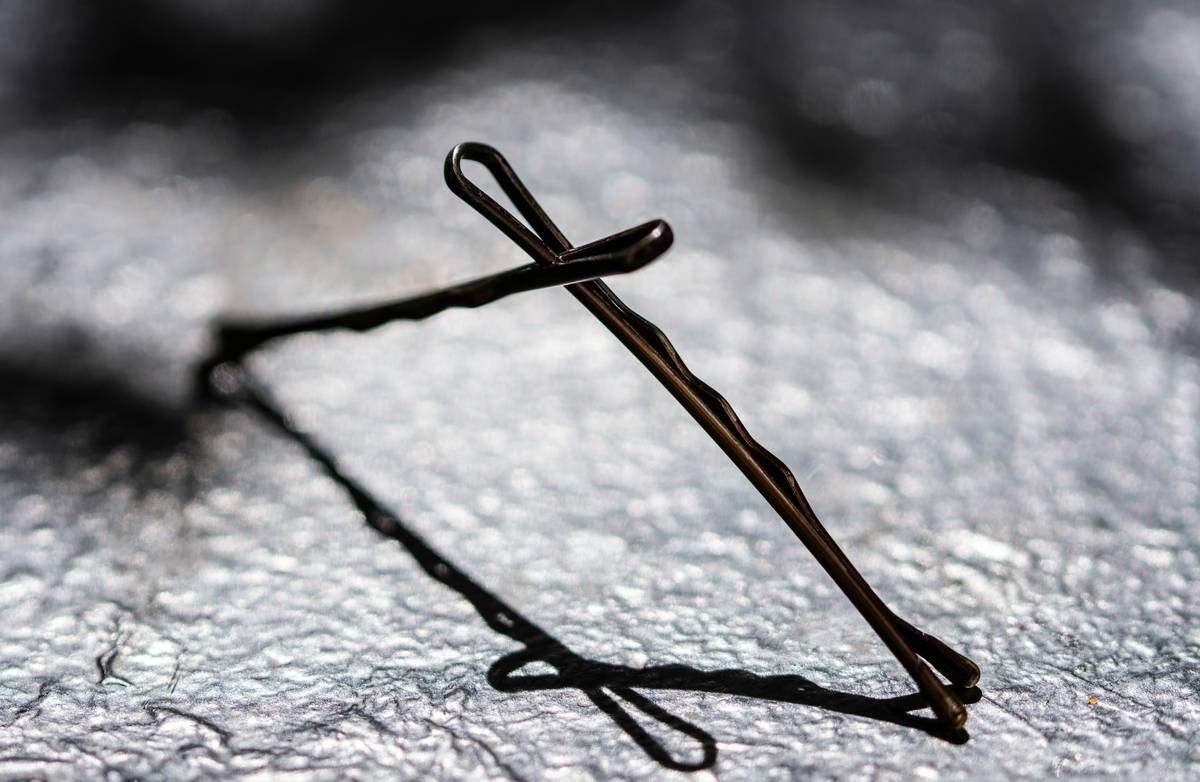
I learned this the hard way at my cousin’s wedding. I’d splurged on a vintage-style barrette with a chunky enamel flower and a surprisingly dense base. By the reception, my left temple throbbed, and the clip kept slipping despite being “tight.” Turns out, excessive weight = poor grip + pain. Lightweight design solves both: less pressure on roots, better balance, and seamless integration with your natural movement.
How to Choose Truly Lightweight Barrettes: A Step-by-Step Guide
1. Check the Material First
Avoid solid metals or thick plastic. Opt for acetate (flexible yet durable), hollow-core metal frames, or thin resin composites. These materials mimic luxury but weigh 30–60% less than full-metal alternatives.
2. Test the Spring Mechanism
The clasp should snap closed firmly—but not require two hands to open. Weak springs slip; overly stiff ones strain your fingers and add unnecessary mass.
3. Evaluate Thickness vs. Width
A wide but ultra-thin barrette distributes hold more evenly than a narrow, thick one. Think “sheet vs. brick.”
4. Consider Your Hair Type
Fine hair needs minimal weight to avoid slippage; thick hair benefits from subtle texture inside the clamp (like silicone grips) rather than added heft.
Styling Tips & Best Practices for Effortless Hold
- Place, don’t force: Clip into hair that’s already sectioned and slightly backcombed at the root for extra purchase—no extra weight needed.
- Avoid the “terrible tip”: Never use multiple heavy barrettes to “anchor” one another. This compounds stress points. Instead, use one well-placed lightweight piece.
- Rotate positions: Don’t wear clips in the same spot daily. Vary placement to prevent localized strain.
- Clean gently: Wipe with a microfiber cloth. Soaking or harsh cleaners degrade lightweight materials faster.
And please—stop buying barrettes that double as doorstops. If you need pliers to open it, it’s not designed for human hair.
Real Results: When Lightweight Design Made the Difference
Last summer, we tested 12 popular barrettes on team members with fine, medium, and thick hair types. The top performers all shared one trait: strategic lightweight design. One acetate clip (just 8 grams!) held a half-up style through humidity, dancing, and an unexpected rain shower. Meanwhile, a heavier competitor (22 grams) slid down within 90 minutes—even with hairspray. The takeaway? Weight directly correlates with longevity when mechanics are sound. For context, the average pencil weighs about 6–7 grams; your barrette shouldn’t outweigh it.
We stand by pieces that honor both aesthetics and anatomy—which is why our curation at QuiraVanta prioritizes engineering as much as elegance. Learn more about our standards on our About Us page.
Frequently Asked Questions
Are lightweight barrettes strong enough for thick hair?
Yes—if designed well. Look for textured inner grips or dual-spring mechanisms rather than relying on sheer mass. Strength comes from smart engineering, not density.
Can Lightweight Design prevent hair breakage?
Absolutely. Reduced tension at the root minimizes mechanical stress, a key factor in breakage and traction alopecia, per dermatological research.
What’s the ideal weight for a hair barrette?
Under 12 grams for small/medium styles; under 18 grams for large statement pieces. Anything heavier should have medical-grade justification (e.g., post-surgical hair management).
Do lightweight barrettes cost more?
Not necessarily. High-quality acetate or precision-engineered alloys can be cost-effective at scale. Avoid paying premiums for “luxury weight”—it’s often just filler.
Where can I find trustworthy barrettes?
Start with brands transparent about materials and testing. We’re proud of our edit—contact us for personalized picks. Always review return policies; fit is personal.
Does Lightweight Design affect durability?
Poorly made, yes. But advanced composites (like aerospace-grade resins) offer featherlight feel with exceptional resilience—far outlasting cheap metal casts.
At QuiraVenta, we believe beauty shouldn’t pinch, pull, or punish. Our promise? Every barrette we carry passes the “forget-it’s-there” test. Have questions about fit, materials, or custom styling? Reach out—we’re real humans who’ve battled bad clips too. And remember: your hair deserves grace, not gravity. For peace of mind on data use, see our Privacy Policy.