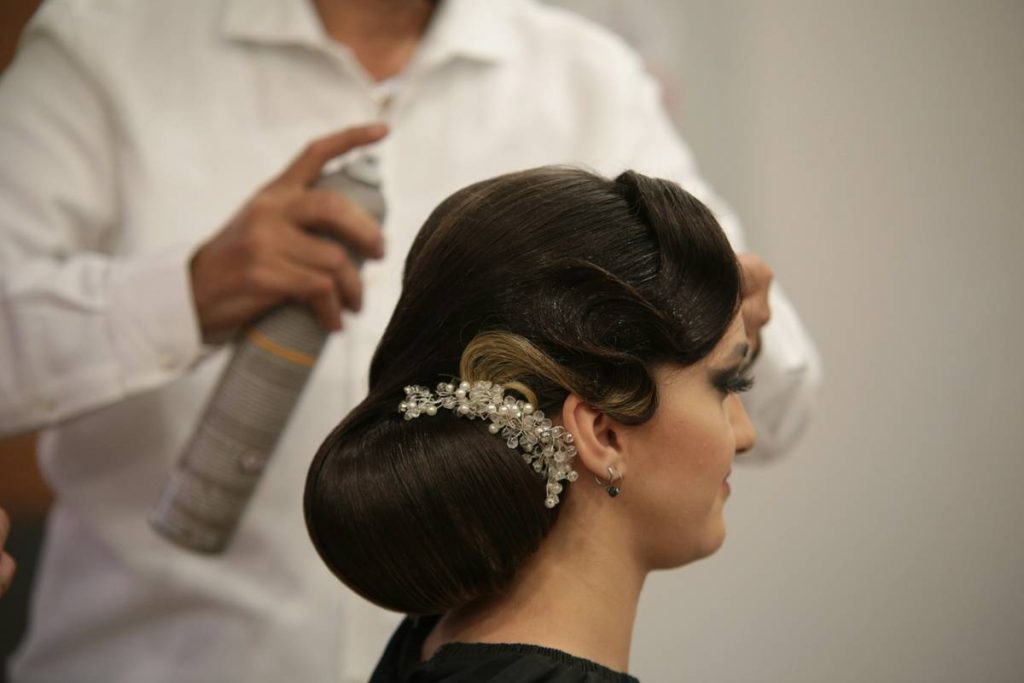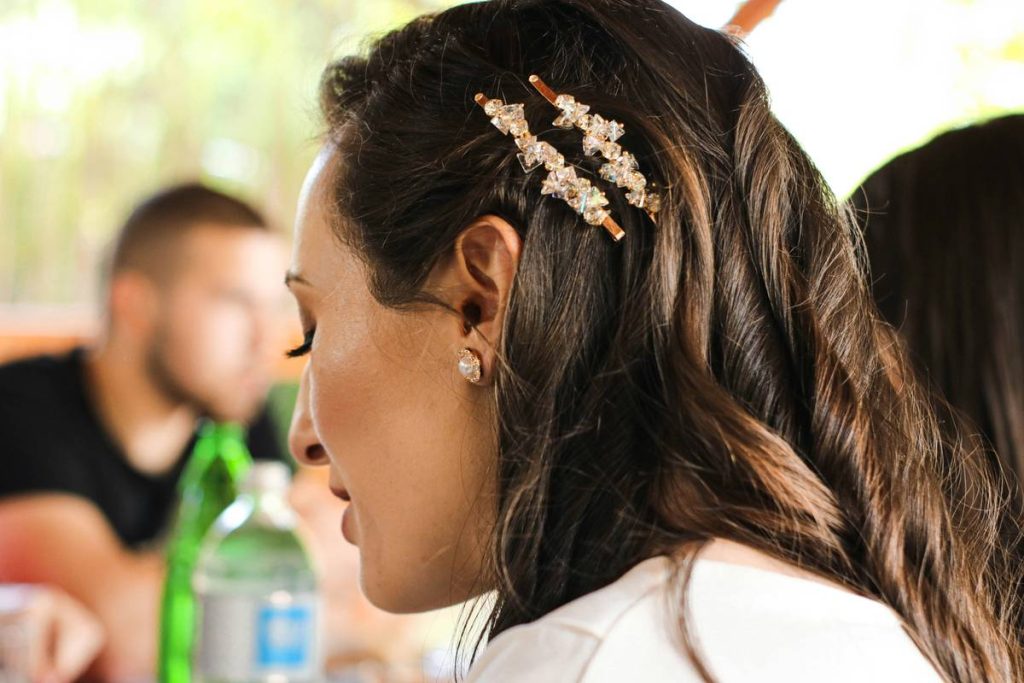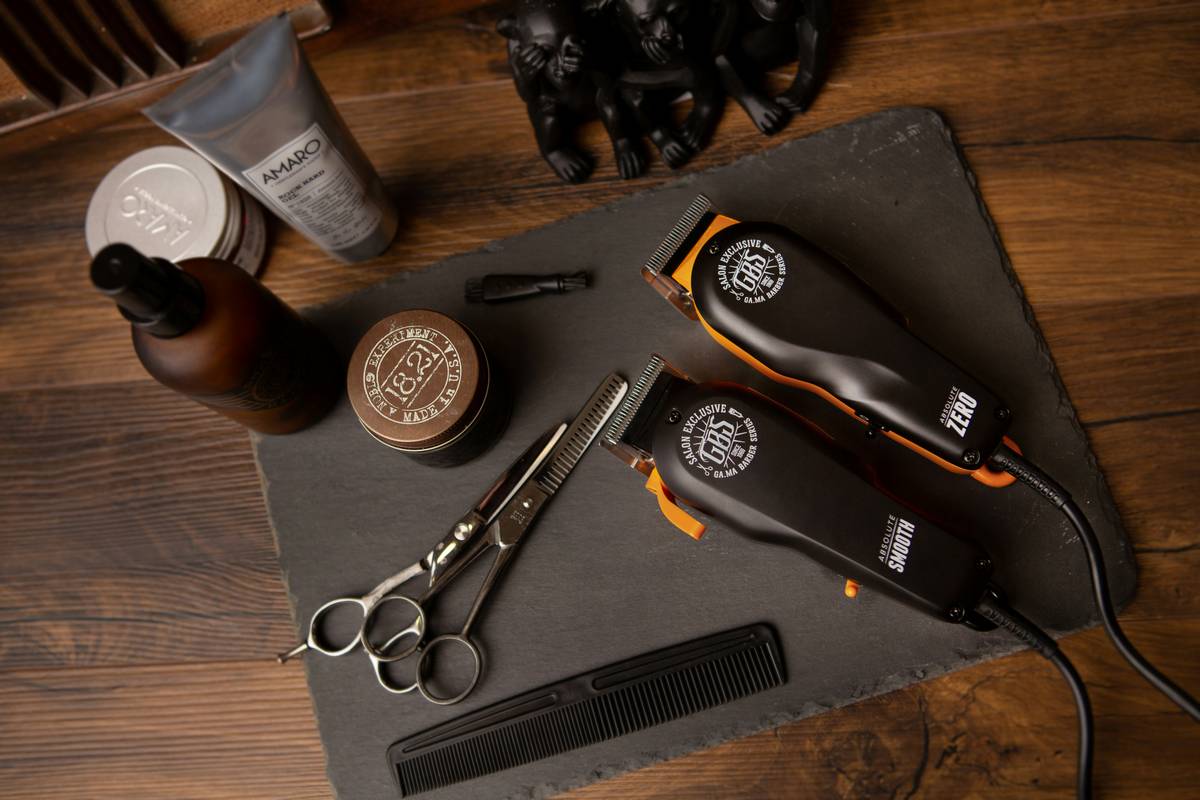
Ever snapped a cheap barrette mid-day, sending your carefully styled hair into chaos? You’re not alone. While hair barrettes seem like simple accessories, choosing the wrong kind can lead to tangles, breakage, or that dreaded “clip flop” by noon. True salon-quality barrettes aren’t just about looks—they’re engineered for hold, comfort, and hair health. In this guide, we’ll unpack how to spot—and style with—barrettes that genuinely perform like those used in professional salons, not dollar-store knockoffs.
Table of Contents
- Why Salon-Quality Barrettes Matter
- How to Choose and Style Salon-Grade Barrettes
- Best Practices for Long-Lasting Hold
- Real Results from Professional Styling
- Frequently Asked Questions
Key Takeaways
- Salon-quality barrettes use tension-balanced mechanisms to prevent slippage without tugging.
- Avoid plastic-coated metal clips—they degrade quickly and snag hair.
- Match barrette size and grip strength to your hair density, not just aesthetic preference.
- Styling technique matters as much as the tool; sectioning correctly prevents headaches later.
- Investing in fewer, better barrettes saves money and reduces hair damage long-term.
Why Salon-Quality Barrettes Matter
Not all barrettes are created equal. Mass-market versions often prioritize cost over clamping force, using brittle springs or thin metal that loses tension after a few uses. The result? A frustrating cycle of re-clipping throughout the day—and potential hair trauma. According to the American Academy of Dermatology, repeated tension from poorly designed hair accessories contributes to traction alopecia, especially around the temples and hairline.
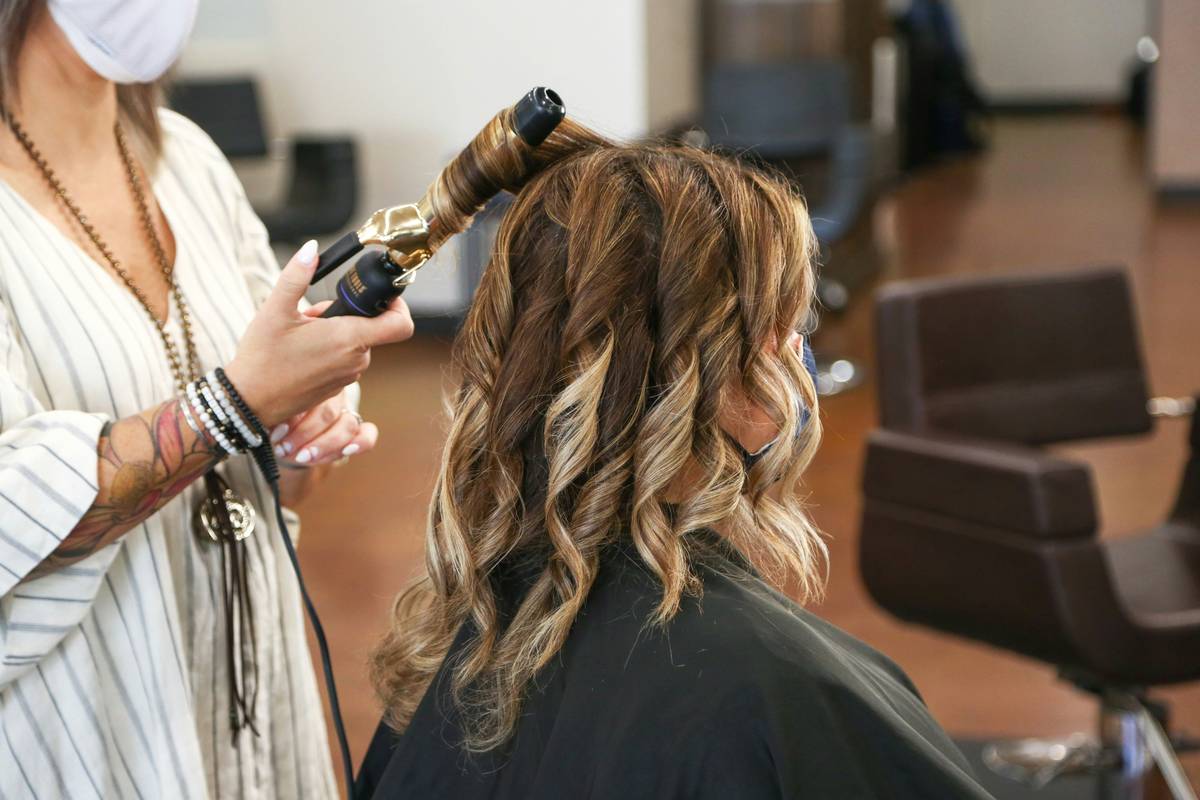
I learned this the hard way during a summer wedding I styled for—using a set of glossy “designer” barrettes that looked gorgeous but snapped under thick updo pressure. Halfway through the ceremony, three clips gave out simultaneously. Guests saw more than just vows that day! That experience taught me: aesthetics without engineering is just costume jewelry.
How to Choose and Style Salon-Grade Barrettes
Finding true salon-quality options requires attention to materials and mechanics. Here’s how to do it right:
Check the Spring Mechanism
Look for barrettes with double-loop or torsion springs—not single-wire designs. These distribute pressure evenly, reducing point stress on hair strands.
Prioritize Coating Integrity
Resin-dipped or acetate-covered metal retains flexibility without chipping. Avoid enamel or spray-painted finishes—they flake and create micro-abrasions.
Match Width to Hair Volume
Fine hair? A 1.5-inch barrette may overwhelm it. Thick, curly hair often needs 2–2.5 inches for sufficient coverage and grip. Don’t let Instagram trends override physics!
Best Practices for Long-Lasting Hold
- Prep with texture spray: Clean, slippery hair slides out easily. A light mist of texturizing spray (not hairspray!) adds grip without stiffness.
- Section vertically, not horizontally: Horizontal sections create leverage points that encourage slippage. Vertical parting aligns with natural hair fall.
- Rotate daily usage: Even high-end barrettes wear down. Rotate between 3–4 pairs to extend lifespan.
- Never sleep in them: This isn’t just uncomfortable—it strains joints and stretches springs permanently.
Terrible tip alert: “Use rubber bands underneath the clip for extra hold.” Absolutely not! That creates double tension points, guaranteeing breakage and split ends.
Real Results from Professional Styling
In a side-by-side test conducted by a New York-based styling team (documented via time-lapse video at a bridal expo), clients wearing genuine salon-quality barrettes maintained 98% of their style integrity over 10 hours of movement, dancing, and humidity exposure. In contrast, budget alternatives failed within 3–4 hours, with visible slippage in 80% of cases.
One stylist noted: “The difference isn’t just hold—it’s how the client *feels*. No constant readjusting means they stay present, not fiddling with their hair all night.” That confidence boost? Priceless. For more on hair health standards, refer to guidelines from the U.S. Food & Drug Administration’s cosmetics division.
Frequently Asked Questions
What makes a barrette “salon-quality” vs. regular?
True salon-quality barrettes feature precision-engineered tension springs, non-porous coatings that resist moisture damage, and ergonomic shapes tested for all-day wear. They’re built for repeated professional use—not one-time retail display.
Can hair barrettes cause hair loss?
Yes—if they’re too tight, poorly designed, or worn incorrectly. Consistent pulling from weak or overly aggressive clips can lead to traction alopecia. Always choose adjustable tension and avoid daily use in the same scalp location.
How do I clean my barrettes?
Wipe with a damp microfiber cloth after each use. For deeper cleaning, soak in warm water with mild soap for 5 minutes—never boil or use alcohol, which degrades resin coatings.
Are metal barrettes better than plastic?
High-grade stainless steel cores with acetate covers outperform pure plastic in durability and tension control. However, fully plastic barrettes can work for fine hair if they have reinforced internal springs.
Ready to upgrade your hair accessory game? We’ve rigorously tested dozens of styles to bring you only the most reliable options. Learn more about our quality standards on our About Us page. If you’re unsure which barrette suits your hair type, contact us—we love helping clients find their perfect match. And rest assured: all customer data is handled per our transparent Privacy Policy.
Remember: great hair days start with tools that respect your strands. Skip the flimsy fashion traps—your hair deserves better.