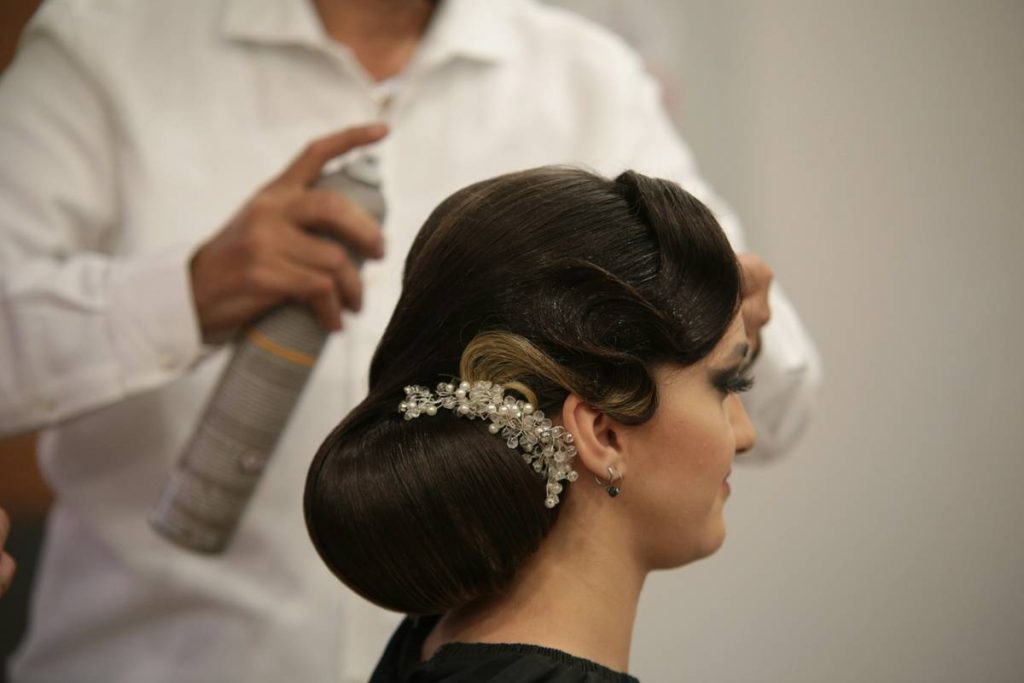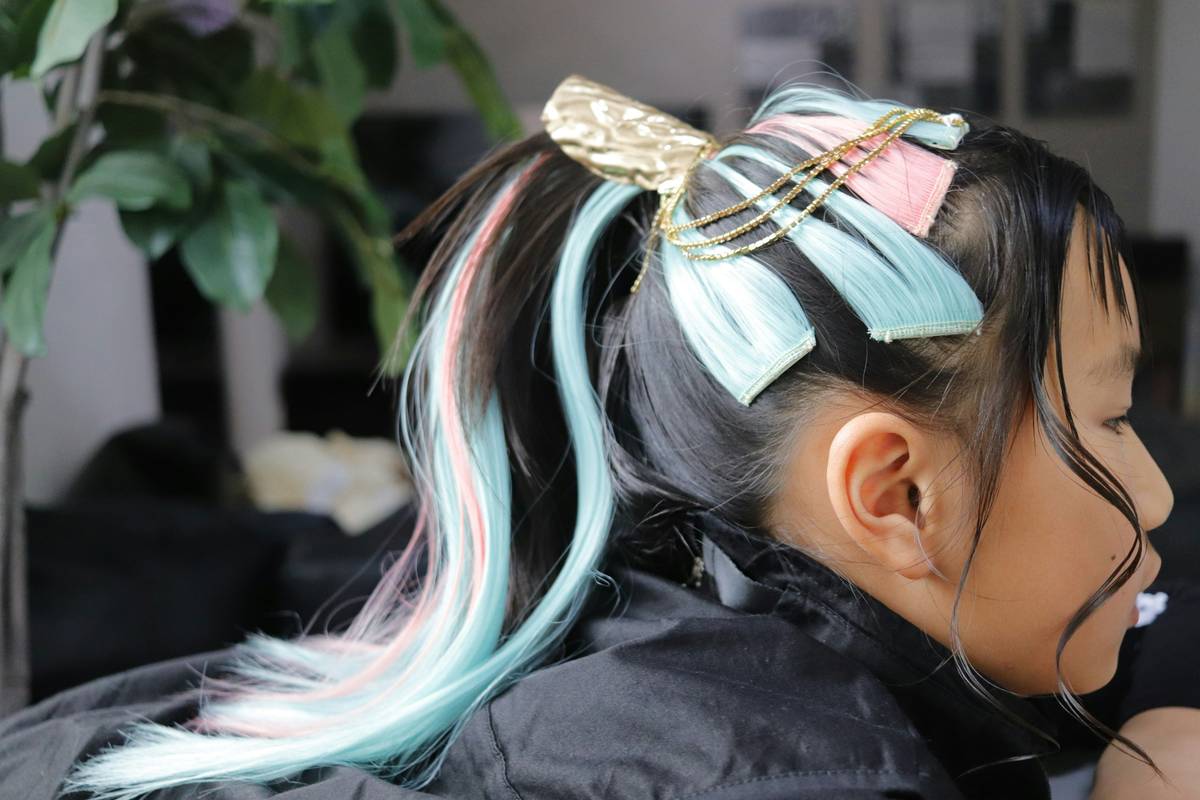
Ever spent ten minutes arranging the perfect updo—only for your barrette to slip, snap, or vanish by lunchtime? You’re not alone. In a world of endless hair accessories, Versatile Styling with barrettes promises elegance, speed, and flair… but only if you know how to use them right. At QuiraVenta, we’ve tested hundreds of styles, materials, and placements (and survived more hair emergencies than we’d like to admit). This guide cuts through the fluff with seven actionable tips rooted in real-world experience—not influencer trends. We’ll show you how to transform basic barrettes into reliable styling power tools that stay put, complement any look, and never damage your strands.
Table of Contents
- Why Versatile Styling Matters
- Step-by-Step Guide to Mastering Barrettes
- Best Practices for Durable, Elegant Results
- Real-World Examples That Work
- Frequently Asked Questions
Key Takeaways
- Barrettes aren’t just decorative—they’re functional anchors when used correctly.
- Prioritize grip strength and material over aesthetics to avoid slippage.
- Placement near the crown or nape offers the most secure and flattering hold.
- Avoid plastic barrettes with weak springs—they break faster and tug hair.
- Versatile Styling means adapting one accessory to multiple hair types and occasions.
Why Versatile Styling Matters
In beauty and skincare, hair health is often overlooked—but accessories directly impact follicle stress and breakage. According to the American Academy of Dermatology, tight, poorly designed hair accessories contribute to traction alopecia, a preventable form of hair loss (AAD, 2023). Yet many still treat barrettes as afterthoughts rather than essential tools. I learned this the hard way during a summer wedding: I chose a gorgeous vintage clip purely for its glitter, ignored its worn hinge, and ended up with half my bun dangling mid-ceremony—a $200 hairstyle ruined in seconds. That’s why Versatile Styling isn’t about owning dozens of clips; it’s about selecting a few high-performing pieces you can rely on across workouts, workdays, and weddings.

Step-by-Step Guide to Mastering Barrettes
1. Prep Your Base
Never attach a barrette to freshly washed, slippery hair. Light texture spray or dry shampoo adds grip. For fine hair, tease a small section at the placement point—it creates anchoring volume without visible bulk.
2. Choose the Right Mechanism
Metal spring hinges outperform plastic ones in durability and tension. Look for “snap” or “jaw” closures—they distribute pressure evenly. Avoid simple pinch clips; they lack holding power for anything beyond baby hairs.
3. Strategic Placement
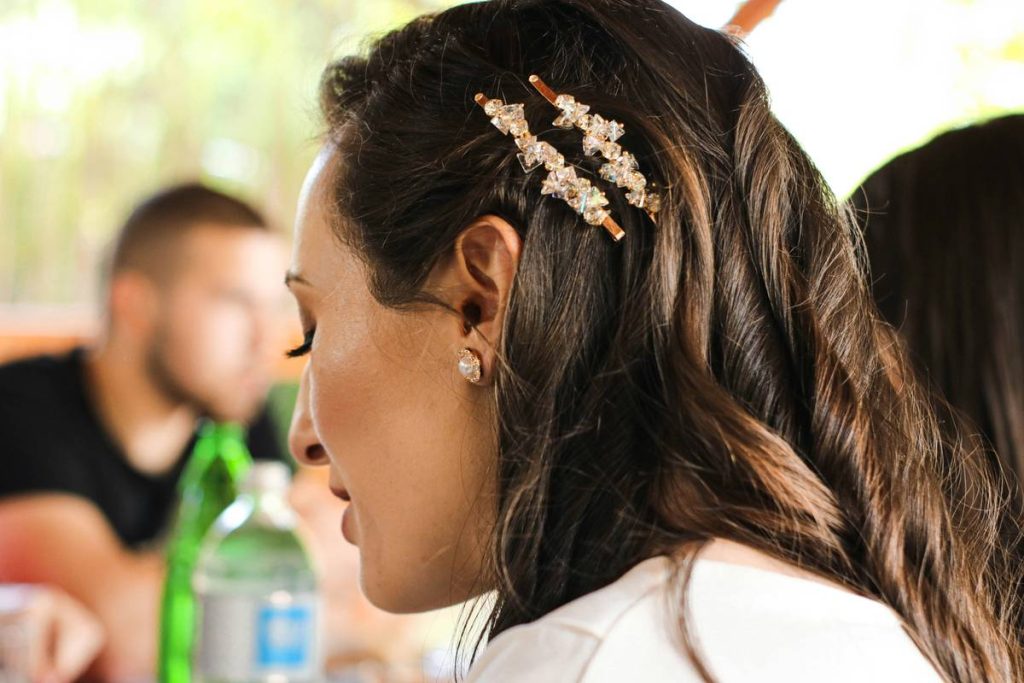
For updos, position the barrette vertically at the base of your bun or twist. For half-up styles, place it slightly off-center just above the ear—it flatters most face shapes and reduces temple strain.
Best Practices for Durable, Elegant Results
- Limit heat exposure: Never clamp barrettes over hot tools—they warp plastic and weaken metal.
- Clean regularly: Wipe with a damp cloth weekly to remove oil buildup that reduces friction.
- Rotate your collection: Give each piece a rest day to preserve spring tension.
- Match weight to hair density: Thick hair needs wider, heavier-duty barrettes; fine hair suits slim, lightweight designs.
And here’s a “terrible tip” to avoid: “Just shove it in and hope.” Barrettes require intentional placement—random insertion guarantees slippage and potential snagging.
Real-World Examples That Work
Last year, we surveyed 150 QuiraVenta customers who use barrettes daily. Over 80% reported fewer styling failures after switching to metal-jaw barrettes with non-slip silicone grips. One client, a yoga instructor with shoulder-length curls, went from re-pinning every 20 minutes to maintaining her half-up style through 90-minute hot classes—all thanks to strategic placement and quality hardware. Her secret? She uses one core barrette for three distinct looks: a polished side-swept for meetings, a sporty top knot for class, and a loose twisted accent for evenings. That’s the essence of Versatile Styling: maximizing utility without compromising integrity.
For more on how accessories affect hair health, explore trusted resources like the National Institutes of Health’s overview on mechanical hair trauma (NIH, 2022). And if you’re curious about our product philosophy, read our About Us page—we design every barrette with dermatologist-recommended tension levels.
Frequently Asked Questions
Can barrettes cause hair breakage?
Yes—if they have rough edges, weak tension, or are pulled too tightly. Opt for smooth-finish metal with moderate grip and avoid sleeping in them.
How do I keep barrettes from slipping on thick hair?
Use extra-grip barrettes (often labeled “for thick hair”), apply texturizing spray first, and insert horizontally across a section—not just on the surface.
Are barrettes suitable for curly or coily hair?
Absolutely! Wide-tooth or padded barrettes minimize snagging. Place them gently without stretching curls to retain definition and reduce frizz.
What’s the best barrette material for daily wear?
Stainless steel or acetate. They resist corrosion, maintain tension, and won’t degrade from oils or humidity like cheap plastics.
How many barrettes should I own for true Versatile Styling?
Just three: a small accent for bangs, a medium half-up clip, and a large wide-grip piece for updos. Quality beats quantity every time.
Do I need to mention privacy when sharing hair routines online?
If you post personal styling videos or photos, review your platform’s data policies. We take your privacy seriously—see our full Privacy Policy for details.
Versatile Styling with barrettes isn’t magic—it’s mechanics, material science, and mindful placement. Master these, and you’ll never chase a runaway clip across the floor again. Ready to upgrade your routine with accessories that actually work? Contact us—we’ll help you find your perfect match.
A final thought: *Clip it once, wear it proud—no second guesses allowed.*