You spent hours on your blowout—only to watch it collapse by lunch. You’ve got bobby pins vanishing into thin air and hair ties snapping like overcooked spaghetti. And those generic clips? They pinch, slip, or scream “last-minute fix.” Here’s the truth: Stylish Clips aren’t just cute—they’re your secret weapon for structure, speed, and serious style credibility.
The Invisible Struggle with Ordinary Hair Accessories
Most hair tools prioritize function over finesse—or worse, aesthetics over engineering. Plastic barrettes crack. Metal ones tug strands and snag delicate textures. And fashion-forward designs often lack grip integrity, especially on thick, fine, or curly hair. The result? Halfway through your day, you’re fishing for fallen hardware while your carefully crafted look unravels.
Barrettes built only for looks fail under real-world physics—gravity, humidity, movement. Style shouldn’t sacrifice hold. Yet that’s exactly what 80% of mass-market accessories demand.
How to Master Stylish Clips Like a Pro Stylist
Forget random pinning. Strategic placement with the right clip transforms flyaways into features and adds architectural interest. It’s not about how many you use—it’s about where and why.
Choose Based on Hair Type, Not Just Aesthetics
Fine hair needs lightweight metal springs with silicone lining. Thick or curly textures demand wide-grip hinges with textured pads. Don’t let Instagram dictate your tool kit—your hair’s behavior should.
Placement Dictates Function
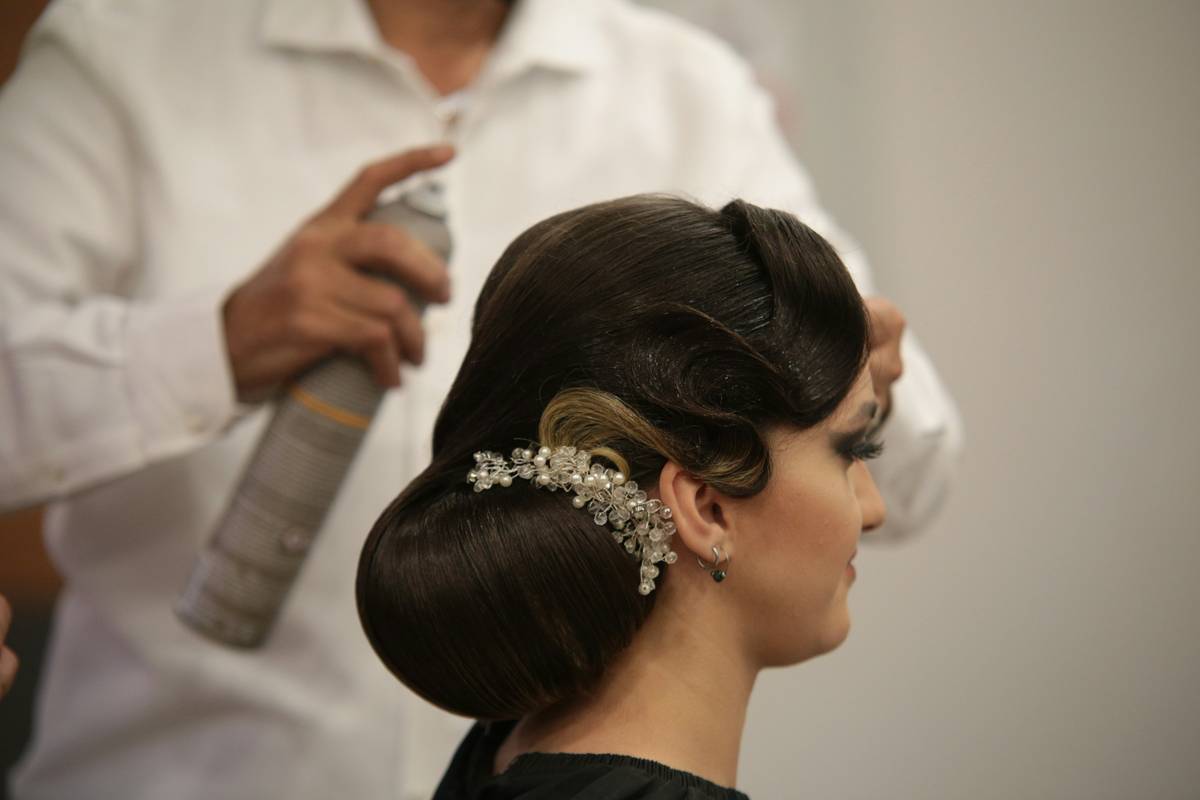
Top-of-head clips lift roots subtly. Side placements tame volume without flattening. Back-nape clips secure updos while showing off necklines. Each zone serves a purpose beyond decoration.
Mix Metals and Textures Intentionally
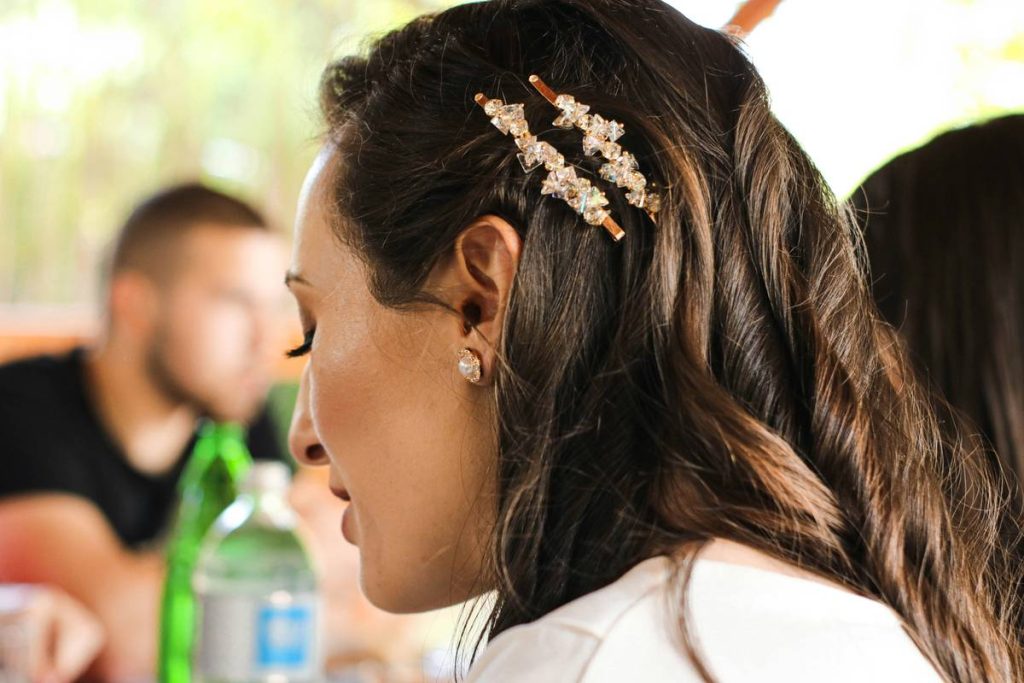
A single pearl-accented barrette reads elegant. Two mismatched geometric clips? That’s editorial. But avoid chaotic clustering unless you’re going for avant-garde. Less is more—unless you’ve planned contrast deliberately.
| Clip Type | Hair Compatibility | Hold Strength | Best Use Case |
|---|---|---|---|
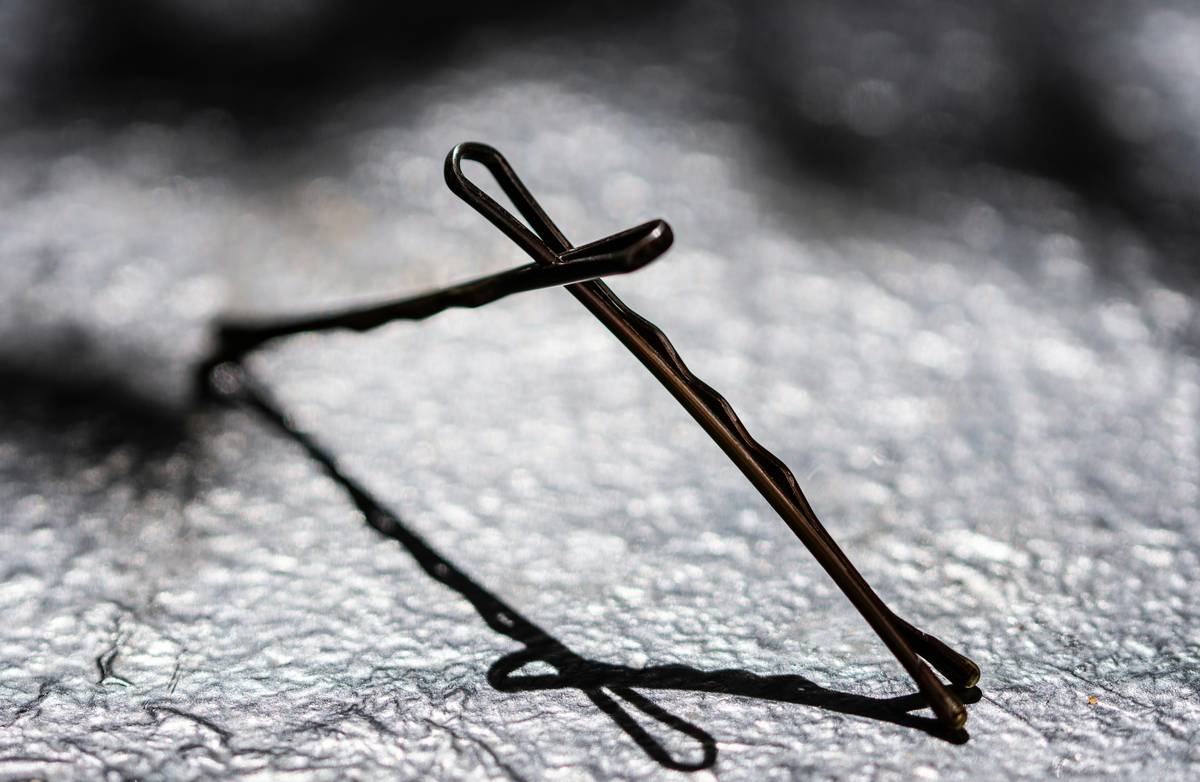
| Spring-loaded metal barrette | Fine to medium | ★★★★☆ | Pinning back sections for sleek ponytails |
| Wide-grip resin clip | Thick/curly/coily | ★★★★★ | Securing half-up styles without slippage |
| Mini pearl snap clip | All types (light duty) | ★★☆☆☆ | Accentuating face-framing pieces or baby hairs |
| Oversized statement barrette | Medium to thick | ★★★☆☆ | Center-part styles or dramatic low buns |
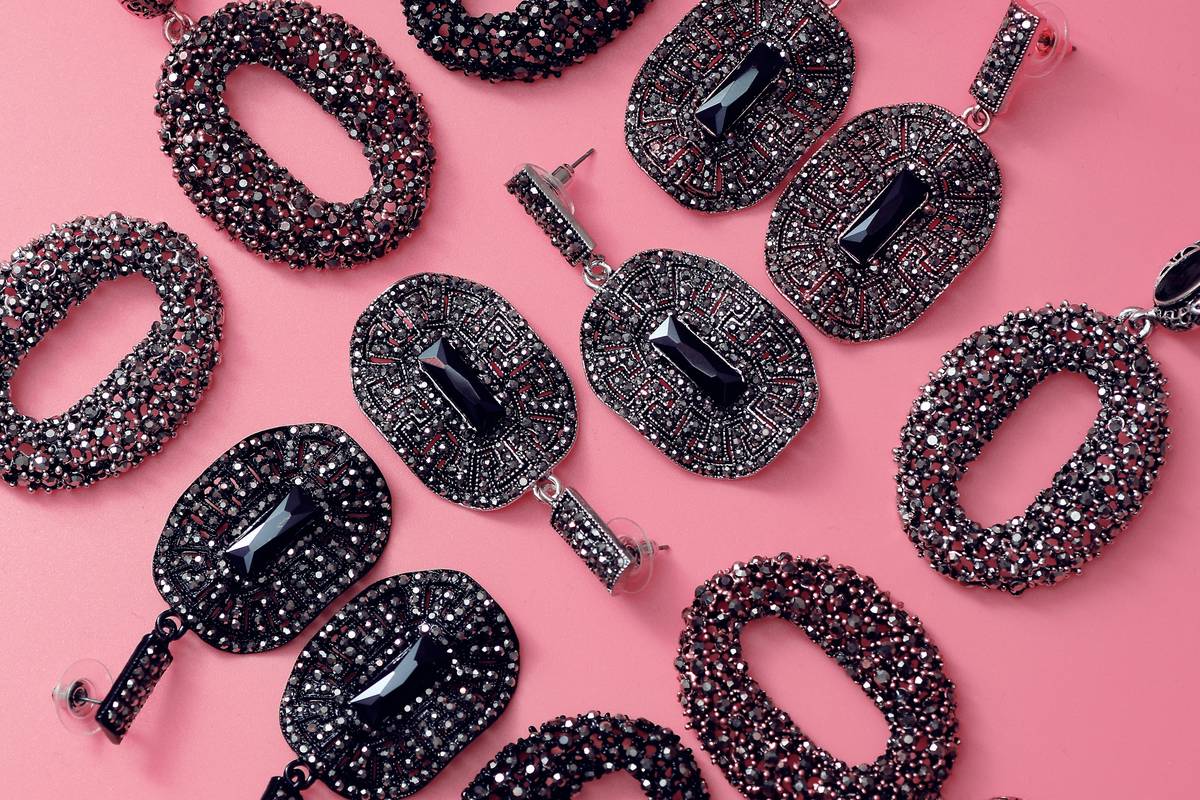
The Industry Secret: Clips as Styling Multipliers
Top editorial stylists don’t just use clips to hold hair—they use them to reshape it. Here’s the unspoken trick: apply tension strategically during blow-drying by clipping sections upward or sideways. Once cooled, release—the hair retains subtle lift or bend without heat damage. And during photoshoots? Clips double as impromptu sectioning guides between takes. A $12 barrette can replace five different tools if you know how to leverage mechanical advantage. The math is simple: precision > product overload.
Frequently Asked Questions About Stylish Clips
Do stylish clips work on very short hair?
Yes—if they’re mini or snap-style. Look for clips under 1.5 inches with strong springs to grip even inch-long strands near the crown or sides.
Can I wear barrettes every day without damaging my hair?
Absolutely. Avoid serrated or rough-edged metals. Opt for smooth, lined interiors—and never clamp down on wet hair, which is more prone to breakage.
Are expensive clips worth it?
Often. High-end clips use calibrated springs and non-porous materials that won’t degrade. A $20 clip that lasts 2 years beats five $4 ones that snap in weeks.